Tag Archives: animals

Comprehending the Significance and Relevance of Colors in Spirituality

FREE psychic reading at PsychicAccess.com, Click Here NOW!!!Color saturates our lives, significantly influencing our living spaces, workplaces, our meals, and attire.

In every aspect of our existence, color has a powerful impact, affecting our feelings, actions, and spiritual health.

In Kundalini Yoga, for instance, instructors typically don white garments made from natural materials, complemented by a white head scarf. This tradition serves more than just practical or visual purposes.

As the color white reflects sunlight while black absorbs it, white similarly repels negative energies, whereas black draws and retains them.

This tradition thus fulfills a dual function: it represents the purity and spiritual insight that the instructor embodies, while also shielding the instructor from negative energies potentially arising from students.

Kundalini Yoga attracts a diverse student base, ranging from those with advanced spiritual maturity to individuals dealing with emotional volatility. The white clothing functions as a barrier against negative energies that might be directed or “dumped” towards the teacher.

Specifically, the head covering safeguards the seventh chakra, found at the crown of the head. This chakra serves as our ‘spiritual umbilical cord’ linking us to God, Source, Spirit, or the Divine, making its protection vital.

It is also noteworthy that although black can be harmful in spiritual contexts due to its inclination to absorb negativity, it can be advantageous in physical activity. Dressing in black while exercising helps ground the body, instilling a sense of stability and concentration. This dual nature underscores the intricate symbolism of color and its diverse implications on our physical and spiritual conditions.

I think the names of colors linger at the threshold, where language falters and where it shines at its apex ~ A.S. Byatt

Chakra Colors In Everyday Speech

Did you realize that the energy frequencies of various chakra colors permeate our daily language? These metaphysical metaphors not only enrich our expression, but also provide glimpses into the deeper meanings and energetic ties of colors in our lives. Here are some of my preferred examples:

Root Chakra Red: “Seeing red” – This idiom conveys extreme rage or fury. The first, or root chakra, embodies red and signifies primal human aspects, including anger and physicality.

Sacral Chakra Orange: “Fired up” – This phrase implies enthusiasm, excitement, and high energy, consistent with the second chakra’s connections to creativity, passion, and emotional expression.

Solar Plexus Chakra Yellow: “Yellow-bellied” – Linked with cowardice or fragility, yellow represents the third chakra, which is associated with strength, determination, willpower, and drive.

Heart Chakra Green: “Green-eyed monster” – Representing jealousy and envy, green is tied to the lower fourth chakra, which regulates our love-related emotions and sense of balance.

Heart Chakra Pink: “Rose-colored glasses” – Someone who has a naively optimistic view of life. Pink, another color representing the higher fourth chakra, embodies love, joy, and compassion.

Throat Chakra Blue: “Feeling blue” – This idiom reflects sadness and unhappiness. Blue is associated with the fifth chakra, situated in the throat, which pertains to self-expression and honest communication. When we feel unable to express ourselves or find our thoughts and feelings stifled, it leads us to feel “‘blue.’”

Third Eye Chakra Indigo: “Deep as indigo” – This phrase denotes profound depth and enigma, aligning with the indigo hue’s association with the third eye chakra, the center of intuition, wisdom, and internal knowledge. Indigo embodies profound understanding and insight.

Crown Chakra Purple: “Born in the Purple” – This expression refers to an individual born into a royal or wealthy lineage, suggesting a life of luxury and significance. Purple signifies the seventh chakra, our energetic ‘crown’ connecting us to the divine and spiritual purity, similar to the elevated nature implied by being “born in the purple.”

Another striking example is the red, white, and blue of the American flag, symbolizing bravery (red), spiritual expression freedom (white), and communicative expression freedom (blue). These colors correspond to the first, seventh, and fifth chakras, showcasing the profound symbolic connections in cultural icons globally.

Similarly, traffic lights use red, yellow, and green to convey crucial notifications: red for stop (root chakra, fear and survival), yellow for caution (third chakra, gut instinct), and green for go (fourth chakra, peace and security). This association with the chakras underlines our intuitive responses to color signals in our surroundings.

Fast food establishments frequently utilize red, orange, and yellow in their decor. These colors, linked to the lower chakras, energize and stimulate appetite, prompting individuals to eat rapidly and more. The lower chakras relate to basic, physical, and masculine energies, invigorating in nature. In contrast, colors associated with the upper chakras – green, blue, purple, and white – are tranquil and soothing, fostering feelings of peace and relaxation.

All other colors are mere colors, but purple appears to possess a soul — when you gaze at it, it gazes back at you ~ Uniek Swain

Colors In Religion & Spirituality

Colors also carry profound symbolic meanings across numerous religious and spiritual practices, enriching rituals and enhancing adherents’ spiritual experiences. Here are five examples of color symbolism from different religious and spiritual frameworks:

Red in Hinduism: In Hinduism, red is an impactful color symbolizing purity, sensuality, and the divine feminine (Shakti). It frequently appears in religious events and festivals, like weddings and Durga Puja. Brides traditionally wear red saris, and red powder (kumkum) is applied to the forehead in various rituals, symbolizing auspiciousness and energy.

White in Buddhism: In Buddhism, white signifies purity, wisdom, and enlightenment. It is often linked with the Buddha and various deities like Avalokiteshvara, the Bodhisattva of Compassion, often depicted in white. Monks in some traditions don white robes during certain ceremonies, and white is used in funeral rites to represent the purity of the departed soul.

Green in Islam: Green holds great significance in Islam, symbolizing paradise, fertility, and life. The Quran mentions lush, green gardens in paradise, and green appears frequently in Islamic art and architecture. The dome of the Prophet Muhammad’s mosque in Medina is famously green and is also associated with the Prophet himself.

Blue in Judaism: In Judaism, blue symbolizes divinity, the heavens, and spirituality. The tallit (prayer shawl) often features blue stripes, and the tzitzit (fringes) contain a blue thread, known as tekhelet, as commanded in the Torah. Blue is also seen in the Star of David and is utilized during Hanukkah celebrations to symbolize divine protection and connection to God.

Purple in Christianity: Purple represents penance, humility, and royalty in Christianity. It is predominantly employed during the liturgical seasons of Advent and Lent. During these times, clergy wear purple vestments, and purple adorns church decorations, symbolizing a period of preparation and reflection. The color also signifies the royalty of Jesus Christ, acknowledging Him as the King of Kings. The use of purple encapsulates both the seriousness of repentance and the grandeur of Christ’s divine essence.

It’s crucial to recognize that color symbolism differs among religions and cultures. For instance, although red traditionally signifies purity and auspiciousness in Hinduism, it may bear negative implications in other contexts.

For example, in Taoist tradition, red is associated with positive attributes like good fortune and prosperity, yet it can also represent excessive or uncontrolled energy. Taoism emphasizes balance and harmony; thus, red, when employed excessively or inappropriately, may symbolize overactivity or aggression, disrupting the natural balance and flow of energy (chi). This nuanced perspective reflects the broader Taoist view that every element, including color, possesses both positive and negative potentials depending on its context and usage.

Grasping the significant influence of colors on our lives enables us to channel their power for our advantage. By consciously choosing the colors surrounding us, we can develop spaces and experiences fostering our physical, emotional, and spiritual well-being.


About The Author: Satya

Satya resides in Northern California and is a natural Clairvoyant, Empath, Conduit, teacher, author, animal enthusiast, healer, Reiki Master, and an experienced yoga instructor. She has offered valuable psychic support to Hollywood stars, athletes, and every level of individual. A multi-faceted Intuitive, equipped with many distinct gifts, she provides a gateway into the past as well as a passage to a more joyful future. Through her long-distance energy work, she administers healing for both people and animals! She swiftly identifies karmic connections from past lives that directly affect contemporary situations, aiding clients in navigating through them effectively. For precise solutions to almost any urgent issue, you can connect with Satya at PsychicAccess.com.

Understanding the Significance and Role of Colors in Spirituality

Colors have consistently been essential in human culture and spirituality. They can evoke feelings, influence our moods, and even affect our spiritual health. Within various spiritual traditions and belief systems, colors are given particular meanings and symbolism, deepening our comprehension of ourselves and our surrounding world. In this article, we will delve into the significance and role of colors in spirituality.

Red, symbolizing passion and energy, is frequently linked to vitality and strength. In numerous spiritual practices, red is thought to embody life force energy, also referred to as chi or prana. It’s seen as a potent color that can help spur courage, motivation, and determination. Red is often incorporated in meditations and rituals to stimulate and activate the root chakra, associated with grounding and survival instincts.

Orange, a vibrant and warm color, is commonly linked with creativity, enthusiasm, and joy. It’s thought to activate the sacral chakra, which governs emotions, sexuality, and relationships. Orange is often utilized in spiritual practices to boost creativity, self-confidence, and foster a sensation of abundance.

Yellow, associated with sunshine and happiness, signifies intellect, clarity, and optimism. It’s believed to stimulate the solar plexus chakra, linked to personal power and self-esteem. Yellow is frequently utilized in spiritual practices to enhance mental clarity, improve decision-making, and endorse a positive life outlook.

Green, the hue of nature and healing, is associated with balance, harmony, and growth. It’s presumed to activate the heart chakra, which governs our ability to love and connect with others. Green plays a role in spiritual practices to promote emotional healing, empathy, and a strong bond with nature.

Blue, representing the sky and ocean, conveys calmness, tranquility, and communication. It’s thought to activate the throat chakra, which governs our ability to express and communicate our truth. Blue is often utilized in spiritual practices to enhance clear communication, intuition, and deep relaxation.

Purple, a color linked to spirituality and mysticism, relates to wisdom, spirituality, and higher consciousness. It’s considered to stimulate the third eye chakra, which oversees our intuition and spiritual insight. Purple is often present in spiritual practices to bolster psychic abilities, deepen meditation, and forge connections with the divine.

White, representing purity and light, denotes clarity, spirituality, and transcendence. It is frequently used in spiritual practices to symbolize purification, healing, and spiritual awakening. White signifies the pinnacle of consciousness and is typically linked with divine entities and spiritual guides.

Understanding colors’ significance and importance in spirituality can empower us to wield their energy and symbolism to enhance our spiritual journeys. By incorporating specific colors into our meditations, rituals, and daily practices, we align ourselves with the qualities and energies each color represents.

It’s vital to acknowledge that personal interpretations of colors may vary considerably across spiritual beliefs and cultures. Thus, it’s essential to investigate and comprehend the specific meanings and symbolism each color carries within your spiritual practice or belief system.

In summary, colors hold immense significance in spirituality, influencing our emotions, energy levels, and spiritual well-being. By recognizing the meanings and symbolism tied to different colors, we can leverage their power to enrich our spiritual journeys, foster healing, and connect with the divine. So, the next time you encounter a specific color, take a moment to consider its spiritual meaning and how it may be guiding your path. Continue reading

Of course! Please provide the title you’d like me to rewrite.

Sure! Please provide the title you’d like me to rewrite.

Of course! Please provide the title you’d like me to rewrite.

Understanding the Summer Solstice: Key Insights for June 20th – Oranum Blog

Of course! Please provide the title you’d like me to rewrite.

A Simplified Guide to Mastering the Art of Aura Reading

FREE psychic reading at PsychicAccess.com, Click Here NOW!!!All beings possess both a tangible form and an intangible form known as the metaphysical body. This energetic manifestation, often referred to as the aura or light body, originates from and envelops the physical body.

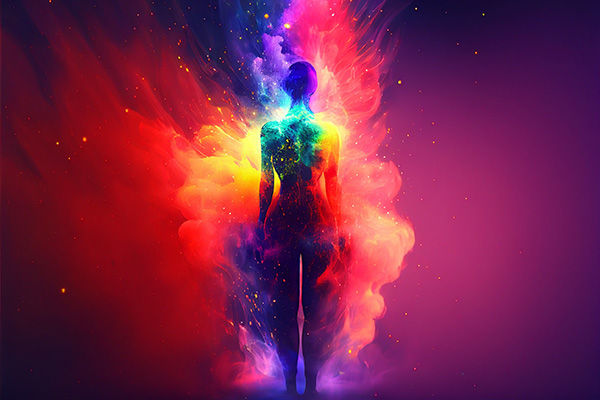
The aura is a subtle energy field made up of luminous colored layers of energy that radiate from a few inches to a few feet around us.

It is referred to by various terms in diverse spiritual and esoteric practices, such as psychic atmosphere, biofield, odic force, or etheric body.

Our aura reflects our health, emotions and mental state. Its energetic colors change according to our mood or well-being. Some traditions describe the auric layers with specific meanings, while others focus more on the different colors and their interpretations.

The aura consists of a form of energy called prana, chi, or qi, which is also known as life force energy. This energy moves within the body through pathways or channels that align with the energy meridian system in Traditional Chinese Medicine and the chakra system in Hindu, Buddhist, and Yogic practices.

The energy surrounding a person, known as the aura, is made up of various layers or fields. Each layer holds its own traits and importance, encompassing aspects like physical, emotional, mental, and spiritual aspects. Nevertheless, the interpretation of the number and composition of these layers varies across different traditions.

You can learn to do aura reading on people, pets, plants. If it has consciousness, it has an aura ~ Rose Rosetree

The connection between the aura and color is one of its most well-known features. The colors of the aura vary depending on an individual’s thoughts, emotions, physical well-being, and spiritual condition. Each color is linked to specific qualities or elements of awareness. For instance, blue can indicate tranquility and lucidity, whereas red may signify intense emotions or passion.

The aura holds significance in assessing an individual’s holistic health and wellness. Disruptions or disparities in our auric energy may present as challenges in the physical, emotional, mental, or spiritual realms. Methods such as purifying, aligning, and mending the aura can be employed to reintroduce unity and vigor to our mind, body, and spirit.

While the aura is generally invisible to the untrained eye and not easily observable by conventional means, one can learn to perceive and interpret it through aura reading to identify the colors, patterns and qualities of someone’s aura.

Aura reading or auric scanning is very useful for a number of reasons. It can provide insight into your emotional state, energy levels, physical health and general well-being.

Aura reading is a versatile tool that facilitates introspection and personal advancement. Many individuals find it valuable for decision-making, as it uncovers concealed aspects or motivations related to a given situation. Moreover, aura reading serves as a potent method for spiritual progress, karmic healing, and soul expansion.

I am confident that anyone has the potential to acquire the ability to perceive auras. This capability can be cultivated through consistent practice and unwavering commitment, similar to acquiring any other skill. While certain individuals may possess a higher level of natural intuition towards perceiving subtle energies or an inherent psychic talent for visualizing auric energies, reading auras can be learned by anyone willing to invest time and dedication.

My aura acts as a compass, leading me toward people and experiences that elevate my spirit and bring out the best in me ~ Linda Mc

Guidelines For Aura Reading

To enhance your skill in aura reading, you must cultivate your capacity to observe and understand delicate energies. Below are a few basic guidelines to help you commence your practice:

Awareness: Begin by developing your awareness of and sensitivity to subtle energies. The first step is to quiet your mind. This includes practices such as meditation, mindfulness, breath work or energy awareness exercises. Pay attention to your own energy field and the sensations you experience when interacting with others.

Education: Familiarise yourself with the concept of auras, including different theories, interpretations and descriptions of the colors, layers and meanings of the aura. There are many books, online resources and courses on the subject that can provide valuable insight and guidance.

Visualisation: Visualisation is a key skill in aura reading. Close your eyes and imagine a person standing in front of you. Visualise their energy field extending from several centimetres to several metres outwards from their body. Experiment with visualising different colors, textures and patterns in their aura.

Trust your intuition and follow your inner guidance while practicing aura reading. Notice any impressions, feelings, or insights that arise as you focus on a person’s energy field. It is not important to be correct or incorrect; the key is to stay open and receptive to whatever you perceive.

Start honing your aura reading skills by beginning with yourself. Look into a mirror or observe your hands and feet. As you become more comfortable, move on to practicing with friends, family, and other willing participants. Request them to stand or sit in front of you while you concentrate on their energy field. You can even try practicing on your plants or a pet, as long as they remain still for a sufficient amount of time.

Feedback: Share your aura reading experiences with others and ask for feedback on your observations. This can help you validate your perceptions and gain insights from different perspectives. Be open to constructive criticism and use it as an opportunity for growth and learning.

Journaling: Keep a diary or record of your aura reading experiences. Write down any colors, sensations, impressions or insights you receive during your practice sessions. Over time, you may begin to notice patterns or correlations between certain colors or qualities and people’s states of being.

Remember that aura reading is a highly subjective and personal practice, and there’s no one “right” way to do it. Trust your own abilities and intuition, and approach the practice with openness, curiosity and respect. Like any skill, aura reading takes time to master. Stay curious, keep exploring different techniques and approaches, and remain open to expanding your understanding of the aura and subtle energies.

Beautiful people don’t need coats. They’ve got their auras keeping them warm ~ Jennifer Donnelly

How To Do Basic Aura Reading

A room that is brightly illuminated and has a white backdrop is most suitable for beginners. Let your gaze traverse the subject gradually, causing a slight blurring effect. The initial thing you may notice is the internal aura, which typically manifests as a faint outline encircling the head and shoulders.

Once you have mastered the initial stage, start honing your ability to perceive a broader spectrum. Gradually, you will be able to discern hues that extend beyond the primary white circles. At the beginning, these shades might appear subtle, but fret not.

It is normal to observe varying colors in different areas of your body, which correspond to different chakras or levels of consciousness. It is possible for a person or animal to possess multiple colors within their unique aura.

Attempt to approach your aura reading with a neutral perspective. Since you constantly perceive your own aura, emotions like anger, depression, or sadness will influence your interpretation. A more harmonious mental state will result in a more accurate reading.

As a beginner, it might require some time for you to perceive darker colors like blue or purple. It is important to stay patient and continue practicing without getting discouraged. Additionally, avoid allowing the opinions of others to greatly affect you. Every individual is unique, and so are their auras.

If you are looking to have your aura read but do not want to learn how to do it yourself, seek out a skilled and trusted reader in your vicinity. Additionally, a professional reader might be open to assisting you in honing your own aura reading abilities.


About The Author: Mystic Shelley

Mystic Shelley is a highly regarded psychic practitioner who possesses various abilities, including being a five-star psychic, Reiki healer, clairvoyant, and empathic reader. She provides sincere insights to her clients about past, present, and future occurrences, thanks to her trusted guides. Mystic Shelley specializes in love, relationships, career, finances, and all aspects of life. While she was born with innate psychic talents, it took meeting a renowned psychic in her 30s to truly awaken and cultivate her gifts. Under the mentorship of this psychic, she harnessed her clairvoyance and empathy, elevating her skills to new heights. As she gained experience, her proficiency grew, resulting in a loyal client base who greatly appreciate her work. Additionally, Mystic Shelley actively assists other psychics in developing their own abilities. If you seek straightforward and candid answers, consider scheduling a reading with Mystic Shelley through PsychicAccess.com.

A Simplified Guide to Becoming Proficient in Aura Reading

Have you ever been curious about the energy that surrounds people? Have you ever felt a certain vibe or aura when meeting someone for the first time? Aura reading is an ancient practice that allows individuals to tap into the energy fields surrounding living beings. It can provide valuable insights into a person’s emotional, mental, and spiritual state. If you’re interested in aura reading and want to learn how to excel in this art, this simplified guide will help you get started.

Understanding Auras:
Before diving into the art of aura reading, it’s crucial to comprehend what an aura is. Auras are subtle energy fields that surround living beings, including humans, animals, and plants. They are believed to be made up of electromagnetic energy and can extend several feet from the body. Auras are often described as colorful, luminous, or transparent. Each color represents different aspects of a person’s personality, emotions, and overall well-being.

Preparing for Aura Reading:
To embark on your aura reading journey, it’s important to create a calm and focused environment. Find a peaceful space where you won’t be interrupted. Adjust the lighting to create a soothing atmosphere, either by dimming the lights or using candlelight. Take a few deep breaths to relax your mind and body. It’s also helpful to cleanse your own energy by meditating or practicing deep breathing exercises before attempting to read someone’s aura.

Observing Auras:
To read someone’s aura, it is crucial to observe their energy field. Begin by focusing on the person’s body, particularly their head and shoulders. Soften your gaze and look beyond their physical form. You may notice a subtle glow or haze surrounding them. Pay attention to any colors, shapes, or movements you perceive. It’s important to trust your intuition and not overanalyze what you see.

Interpreting Aura Colors:
Once you start perceiving colors in someone’s aura, it’s time to interpret their meaning. Here are some common aura colors and their associated characteristics:

1. Red: Indicates passion, energy, and strong determination. It may also suggest anger or stress if it appears intense or unclear.

2. Orange: Represents creativity, enthusiasm, and vitality. An orange aura is often present in charismatic individuals.

3. Yellow: Signifies intelligence, optimism, and a curious nature. People with a yellow aura often possess analytical and logical thinking skills.

4. Green: Symbolizes balance, growth, and healing. Individuals with a green aura are often nurturing and compassionate.

5. Blue: Reflects calmness, communication, and spiritual awareness. A blue aura is commonly found in those who are intuitive and empathetic.

6. Purple: Indicates spirituality, intuition, and a higher level of consciousness. People with a purple aura often have psychic abilities or a strong connection to the spiritual realm.

7. White: Represents purity, clarity, and a divine connection. A white aura suggests a highly evolved soul or a person on a spiritual journey.

Remember that these interpretations are general guidelines, and each person’s aura is unique. It’s important to consider the overall context and other factors before jumping to conclusions.

Developing Your Skills:
Like any skill, becoming proficient in aura reading requires practice and patience. Start by practicing on yourself or close friends and family members whose energy you are familiar with. Take notes of your observations and compare them with the person’s current emotional or mental state. Over time, you will become more attuned to accurately reading auras.

Approach aura reading with an open mind and heart. Remember that it is a tool for understanding and connecting with others on a deeper level, rather than a means of judging or manipulating. Respect the privacy and boundaries of others when practicing aura reading.

In conclusion, becoming proficient in the art of aura reading can be an intriguing journey of self-discovery and understanding others. By learning to observe and interpret the subtle energy fields surrounding individuals, you can gain valuable insights into their emotional, mental, and spiritual well-being. With practice and an open mind, you can unlock the hidden world of auras and enhance your ability to connect with others on a profound level. Continue reading

Learn about the meditative practice of Sumi-e painting

FREE psychic reading at PsychicAccess.com, Click Here NOW!!!I have always had a strong interest in the ways art and spirituality come together to provide opportunities for enhanced self-awareness and serenity, both as a spiritual advisor and an artist.

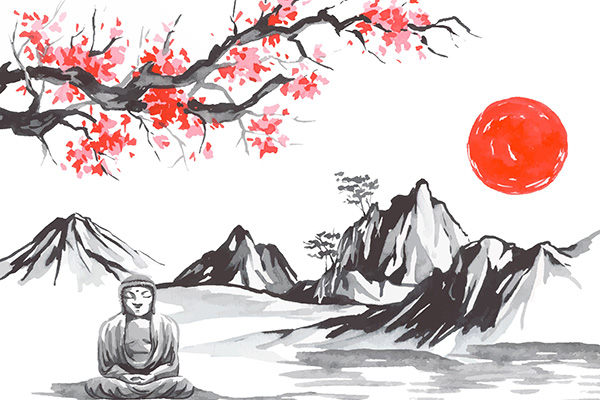
One such path that has had a profound impact on my life is Sumi-e painting, also known as suibokuga or ‘ink wash painting.’ It is a traditional Japanese painting technique that uses black ink, typically in varying concentrations, to create brushstroke-based works of art.

Sumi-e is characterized by its minimalism, simplicity, and emphasis on capturing the essence or spirit of the subject rather than its literal representation.

Artworks frequently showcase themes like landscapes, flowers, birds, and other elements found in nature. Artists employ diverse brush techniques to generate distinct textures, tones, and depths by solely utilizing black ink on absorbent paper or silk.

The art form has deep roots in Zen Buddhism, which emphasizes spontaneity, simplicity, and harmony with nature. Practitioners often meditate before painting to cultivate a clear and focused mind, which they believe enhances their ability to express the essence of the subject.

Sumi-e painting has had a significant influence on various art forms, including calligraphy and other East Asian brush painting styles. It continues to be practiced and appreciated for its timeless elegance and ability to evoke profound emotions with seemingly simple brush strokes.

The focus or purpose of Sumi-e/Zen painting is not the outcome but the process of creating while in the state of heightened intuition and of sensory awareness ~ Lilith Ohan

The Ancient Origins Of Sumi-e

The origins of Sumi-e painting can be traced back to China, where it initially emerged as a part of Chinese brush painting during the Tang Dynasty (618-907 AD). However, it was during the Song Dynasty (960-1279 AD) that the art form began to take on characteristics that would later define Sumi-e.

During the Song Dynasty, Japanese monks who studied in China introduced the tradition of ink painting to Japan. They subsequently modified and improved it, resulting in the development of Sumi-e as a unique artistic style. Over the years, Sumi-e established its own set of methods, aesthetics, and philosophical principles.

One significant figure in the development of Sumi-e in Japan was the Zen Buddhist monk, painter, and poet, Sesshū Tōyō (1420–1506). Sesshū played a pivotal role in popularizing ink painting techniques and incorporating Zen philosophy into artistic practice. His work emphasized spontaneity, simplicity, and the expression of the essence of the subject rather than its literal representation.

During the Muromachi period (1336-1573) in Japan, Sumi-e thrived and gained popularity, especially among Zen Buddhist monks and scholars. It became strongly linked with Zen Buddhism as practitioners utilized painting as a form of meditation and self-expression. This spiritual bond continues to be a fundamental aspect of Sumi-e practice in the present day.

Sumi-e has experienced the impact of diverse cultural and artistic trends over time, yet it has remained true to its core traits of simplicity, harmony, and profound appreciation for the natural world. Presently, Sumi-e is still widely embraced and respected internationally, beyond Japan, for its exceptional combination of artistic creativity and spiritual reflection.

Sumi-e As A Spiritual Ritual

I was introduced to Sumi-e painting when I was seeking a means of expression that could also serve as a form of spiritual practice. The minimalist beauty and profound philosophical connections to Zen Buddhism of Sumi-e immediately captivated me.

The art form does not solely rely on depicting an object or scene through painting; instead, it focuses on conveying the spirit or nature of the subject using solely black ink, a brush, and rice paper.

I started my exploration of Sumi-e embracing a small set of tools and an open mind. I rapidly discovered that this artistic style demands a special combination of focus and calmness – every brushstroke needs to be performed with complete attention and awareness. Essentially, it is a type of meditation that involves being fully immersed in the present moment.

As I continued to delve into Sumi-e, I discovered that it transcended being merely an artistic pursuit; it became a profound spiritual ritual. Every instance of immersing my brush in ink and laying it upon the paper involves a process of surrendering and releasing.

Sumi-e requires an acceptance of imperfection and asymmetry, reflecting the inherent beauty of the natural world. This resonates deeply with me as it mirrors the unpredictable ebb and flow of life.

Symbolism in Sumi-e goes beyond technique, encapsulating profound symbolism often inspired by nature. Each brushstroke aims to convey the spiritual and emotional essence of the subject, prioritizing essence over realism ~ Mitsuru Nagata

The Four Gentlemen Of Sumi-e

One of the fascinating aspects of Sumi-e painting is the study and mastery of the Four Gentlemen, also known as the Four Noble Ones or Four Friends. They are the four plants – bamboo, orchid, chrysanthemum, and plum blossom – that serve as the basic subjects for learning the brushwork and philosophy of Sumi-e and are commonly depicted in Sumi-e painting.

These four plants are not only celebrated for their natural beauty, but also revered for the virtues they embody. In Sumi-e painting, artists often use these subjects to explore themes of resilience, beauty, and the passage of time, capturing the essence of each plant with simple yet expressive brushstrokes. Each plant represents a different season and embodies certain virtues or qualities valued in both Chinese and Japanese cultures.

Bamboo (竹, Zhú): Representing summer, bamboo symbolizes resilience, flexibility, integrity, and strength. It is often depicted with tall, straight stalks and delicate leaves, reflecting the plant’s ability to bend without breaking in the face of adversity.represents the resilience and integrity of a strong yet flexible character.

The orchid, also known as 蘭 or Lán, serves as a symbol of spring and embodies qualities such as purity, elegance, and refinement. The flower’s exquisite blossoms and slender stems are frequently depicted with meticulous attention to capture the ethereal beauty and graceful nature of the orchid. Painting orchids provides artists with valuable insights into the gentle movement of energy and the fragile equilibrium of life.

Plum Blossom (梅, Méi): Representing winter, the plum blossom symbolizes endurance, perseverance, renewal, and hope. Blooming in the midst of winter’s cold, the plum blossom is admired for its delicate, fragrant flowers and its ability to thrive in harsh conditions. It teaches us that we have the power within to thrive despite setlbacks and challenges in our life.

The chrysanthemum, also known as “菊” or “Jú,” is a symbol of autumn. It symbolizes longevity, rejuvenation, perseverance, and inner strength. With its vibrant hues and detailed petals, this flower is often portrayed in different stages of growth, from budding to full bloom, representing the cycle of life and the passage of time. When shown in its complete bloom, it signifies abundance, prosperity, and vitality.

Each of these subjects is not just a plant to be reproduced on paper, but a lesson in life’s virtues taught through the simple yet profound medium of ink and brush.

Sumi-e has become a cherished part of my daily routine, a sacred time when I can connect with myself and express my innermost feelings without words. If you’re looking for a new meditative practice, or simply want to try a different form of artistic expression, I wholeheartedly recommend exploring the serene world of Sumi-e painting. It’s not just about creating art; it’s about creating moments of peace in our often chaotic lives.

What I love most about Sumi-e is its accessibility. While the technique can take years to truly master, anyone can pick up a brush and begin to explore this art form. It also does not require expensive materials or a large studio. A quiet corner, a few simple tools, and a willing mind are all that’s needed.

I urge everyone, regardless of their artistic abilities, to give Sumi-e painting a try. Consider it as a type of meditation in motion, a means to calm your thoughts and delve into your inner world. This activity can bring about deep tranquility and provide personal revelations, just as it has for me.


About The Author: Runa

Runa possesses unique talents as a reader and is a gift to both others and her community. She is gifted in the spiritual, artistic, and creative realms, finding fulfillment through selfless work with incarcerated teenagers and through her reading practice both in Germany and with clients worldwide. She is an expert in Runes, a Reiki Master, and has a natural talent for oracle reading, always accompanied by her Northern Light Guides. Runa offers compassionate and honest readings without judgment, infusing positive energy to relieve burdens and illuminate a path towards future goals. Since an early age, she has had the ability to sense the energy of those around her, and her studies of ancient runes and symbols have provided answers to guide and assist others on their own journeys. Runa has read for over 20,000 clients, coming from diverse backgrounds including corporate clients. She runs her own reading practice in Germany, where she resides with her husband and beloved cat named “Monster.” Throughout 15+ years, she has inspired, enriched, and empowered both adults and teenagers, helping them fearlessly embrace their true selves and express their creativity to achieve their dreams. If you are interested in a reading from this exceptional Rune expert, you can find Runa at PsychicAccess.com.

Discover the Meditative Practice of Sumi-e Painting

Sumi-e painting, a traditional art form originating in China and spreading to Japan, is also known as ink wash painting. This practice combines simplicity, mindfulness, and the use of ink and brush to create expressive artworks. This article delves into the history, techniques, and benefits of Sumi-e painting.

History of Sumi-e Painting:
Sumi-e painting carries a long and illustrious history that dates back to ancient China. Initially practiced by Zen Buddhist monks as a form of meditation and self-expression, it found its way to Japan during the 14th century. It gained popularity among the samurai class and became an integral part of Japanese culture.

Techniques of Sumi-e Painting:
Sumi-e painting employs a minimalistic approach using black ink on white rice paper. The focus is on capturing the essence or spirit of the subject rather than intricate details. Brush strokes are quick and spontaneous, emphasizing energy flow and movement.

The Four Treasures of Sumi-e:
To practice Sumi-e painting, the artist requires four essential tools known as the “Four Treasures”. These tools are:

1. Ink Stick: Created from soot and animal glue, the ink stick is ground on an inkstone with water to produce ink for painting.

2. Inkstone: A flat stone surface used to grind the ink stick and mix it with water. The artist controls the ink’s consistency by adjusting the water volume.

3. Brush: Sumi-e painting uses a brush made from animal hair, such as wolf or rabbit. With a long handle and a flexible tip, it allows for a wide range of brush strokes.

4. Rice Paper: This thin, absorbent paper is the final essential tool. It facilitates ink spreading and adds a unique texture to the artwork.

Benefits of Sumi-e Painting:
Sumi-e painting offers various benefits beyond creating beautiful artworks. Here are some advantages of practicing this meditative art form:

1. Mindfulness and Relaxation: Sumi-e painting requires focus and concentration, promoting a calm mind and relaxation. Repetitive brush strokes and ink flow create a meditative state, allowing the artist to be fully present in the moment.

2. Cultivating Patience: The process of grinding ink, preparing the brush, and waiting for the right moment to make a stroke teaches patience and discipline. Sumi-e painting encourages embracing imperfections and accepting the art form’s spontaneous nature.

3. Self-Expression: Sumi-e painting allows individuals to express their emotions, thoughts, and experiences through brush strokes. It provides a creative outlet for self-reflection and personal growth.

4. Connection with Nature: Many Sumi-e paintings depict natural subjects like landscapes, flowers, and animals. By observing and capturing nature’s essence, artists develop a deeper connection with the environment and gain a greater appreciation for its beauty.

In conclusion, Sumi-e painting is a meditative practice that combines simplicity, mindfulness, and the use of ink and brush to create expressive artworks. Its long history and unique techniques make it an intriguing art form to explore. Whether you aspire to be an artist or seek relaxation and self-connection, Sumi-e painting can be a rewarding and enriching experience. Continue reading

Understanding the Science Behind Crystal-Infused Water’s Vibrational Alchemy

FREE psychic reading at PsychicAccess.com, Click Here NOW!!!I love using crystal water as part of my spiritual practice. Crystal-infused water is an alchemical elixir for harmonizing the body, mind, and spirit.

Using the vibrational properties of crystals, this practice involves infusing water with the subtle energies emitted by carefully selected crystals and gemstones. Drinking crystal water is a powerful healing tool and wonderful for maintaining holistic balance and inner harmony.

I prefer consuming crystal water just once per week. I avoid disturbing the body’s energy balance on a daily basis. Additionally, it is an effective method to increase water intake and maintain hydration.

Crystals have been utilized for their healing and spiritual attributes since ancient times, with their origins tracing back to civilizations like Egypt, Greece, and China. These cultures acknowledged the energetic properties of crystals and harnessed them for purposes such as healing, protection, and spiritual connectivity.

While there is limited historical documentation that specifically mentions crystal-infused water in ancient traditions, it is evident that the ancients held a deep reverence for both crystals and water in their spiritual, healing, and ceremonial practices. Over time, as the awareness of the metaphysical properties of crystals evolved in modern times, the practice of immersing crystals in water for drinking emerged.

Crystals often embody specific intentions like healing, love, or abundance. Drinking crystal-infused water can help amplify your own intentions and align your energy with your goals ~ Luisa Jackson

There are two ways to infuse water with crystal energies:

Immersing the purified crystal into the water without any intermediaries.

Indirect immersion by placing the crystal in a separate compartment or smaller sealed container (made of a safe material such as glass) to serve as a physical barrier between the crystal and the water, or placing crystals on the outside around the water container. The reason for this is that while many crystals and gemstones are safe for use in crystal-infused water, there are certain types that can release toxic substances when submerged in water (see guidelines below).

My favorite technique is to leave the crystals out in the bright sunshine for days. Not only does it absorb the sun’s energy, but it also intensifies or further “charges” the energy of the crystal. When the crystal is then submerged in water, it transfers both energies to the water. In fact, in my experience, drinking the water is just as powerful, if not more effective, than wearing the crystals!

Make sure to purify and recharge the crystal before submerging it in water. Crystals not only take in the energy of the sun but also assimilate other energies. Ideally, cleanse your crystal by soaking it in a river, stream, or waterfall. If that’s not possible, you can use filtered water at home. Enhance the cleansing process by incorporating an energy cleansing prayer, a ritual, intentional visualization, or Reiki to eliminate any lingering old energy and programming.

Crystal Water Suggestions

Below are several recommendations for various crystal water infusions. It is also possible to mix different crystals to achieve multiple effects.

Ambition: Blue Sandstone

Anxiety: Apache Tears, Blue Calcite, Blue Lace Agate

Confidence: Lapis Lazuli

Courage: Sardonyx, Tiger’s Eye, Xanthippe

Depression: Botswana Agate, Citrine

Fertility: Celandine, Moonstone, White Agate

Good Luck: Aventurine in green color.

Grounding: Hematite, Red Jasper

Healing: Malachite, Rhodonite, Rose Quartz, Selenite

Intuition: Amethyst, K2 Stone, Labradorite, Magnetite, Sapphire, Selenite

Manifestation: Alabaster, Amber

Protection: Black Jade, Black Tourmaline, Obsidian, Selenite

Prosperity: Alabaster, Green Jade

Spirituality: Clear Quartz

Vitality: Agate, Carnelian

Just as putting ice all around a glass of water rather than in the water itself will still cool it, or shining a torch through a glass will still light up the water, putting gemstones around your water will still energize it ~ Jude Polack

Crystal Safety Guidelines

Before incorporating any crystals into your water infusion routine, it is crucial to be cautious and conduct thorough research. While many crystals are generally safe to use for creating crystal-infused water, there are certain ones that are not recommended and could potentially pose health risks. Hence, always remember these factors and proceed with care.

Alabaster is generally a safe material, but it is crucial to ensure that it is authentic and not coated or treated.

Amber: For the most part, it is considered safe, but it is crucial to ensure its authenticity and avoid synthetic versions.

Blue Lace Agate: Generally safe, but it’s important to make sure it’s genuine and not treated or coated.

Carnelian and Fire Agate: Both are safe for use in water, but it’s best to make sure they are not treated or coated.

Chrysocolla: Like malachite, it contains copper and should be avoided in water infusion practices to prevent copper poisoning.

Direct contact with cinnabar or using it in water infusions can be highly dangerous due to its mercury content, which is a toxic substance.

Green Jade: Generally safe, but it’s important to make sure it’s real jade and not a dyed or treated stone.

Rock salt, also known as halite, is often utilized in salt lamps and decorative objects. However, submerging it in water may pose risks, as it can dissolve and release salt into the water. Consuming excessive amounts of salty water can lead to dehydration and imbalances in electrolytes.

Malachite: Contains copper, which can leach into the water and cause copper poisoning if ingested in large quantities. It is advisable to avoid using malachite in water infusion practices.

Moonstone: Generally safe, but it’s important to make sure it’s genuine and not treated or coated.

Pyrite: Also known as “fool’s gold” it contains sulfur, which can oxidize to form sulfuric acid when exposed to water. While the risk of significant toxicity from pyrite-infused water is low, it’s best to err on the side of caution and avoid using pyrite in water infusion practices.

Rhodonite: Generally considered safe for use in water, but as with any crystal, it’s important to ensure that it’s not treated or coated in any way that could leach harmful substances into the water.

Sardonyx: Generally safe, but as with other stones, it’s important to make sure it’s genuine and not treated.

Selenite: A delicate crystal that can dissolve in water, releasing soluble minerals such as gypsum. While selenite itself is not toxic, ingesting large amounts of dissolved minerals from selenite-infused water can cause stomach upset. It’s best to use selenite indirectly by placing it around the water container rather than submerging it directly.

These are just a few examples, and there may be other crystals or gemstones with similar properties. It’s also important to research any crystal thoroughly and consult reliable sources before using it safely in water infusion practices.

If you’re unsure, it’s best to use crystals that are proven to be safe in water, or try alternative methods like positioning crystals near the water instead of immersing them directly.


About The Author: Satya

Satya, who resides in Northern California, possesses various talents and is skilled in clairvoyance, empathy, conduit, teaching, writing, animal care, healing, Reiki, and advanced yoga instruction. She has assisted numerous Hollywood stars, athletes, and individuals from different walks of life with her valuable psychic guidance. As a deeply intuitive individual with multiple unique abilities, Satya can provide insight into the past and help create a path towards a happier future. Through her distance energy work, she facilitates healing for both humans and animals. Satya is able to identify connections from past lives that directly impact present circumstances, assisting clients in swiftly moving through them. For accurate solutions to any pressing issue, Satya can be found at PsychicAccess.com.

Understanding the Science Behind the Vibrational Properties of Crystal-Infused Water

Crystal-infused water has become a popular holistic approach to wellness and self-care in recent years. This involves placing crystals in water to infuse it with their unique energetic properties, known as “vibrational alchemy.” Although some may view this as pseudoscience, there is actually a scientific basis behind the effects of crystal-infused water on our well-being.

To comprehend the science behind the vibrational alchemy of crystal-infused water, we must first explore the concept of vibrational frequencies. Everything in the universe, including crystals and our bodies, consists of energy vibrating at different frequencies. Each crystal possesses its own distinct vibrational frequency that resonates with specific aspects of our being.

When crystals are placed in water, their energy transfers to the water molecules through a process called entrainment. Entrainment occurs when two objects vibrating close together synchronize their vibrations. In this case, the crystal’s vibrational frequency influences the water molecules, causing them to align with the crystal’s energy.

Water itself is highly receptive to energy and can store and transmit information. This is evident in scientific studies on water memory and its ability to retain the energetic imprint of substances it encounters. When crystals are placed in water, they leave their energetic signature on the water molecules, creating an energetic elixir.

The vibrational properties of crystals are believed to directly impact our physical, emotional, and spiritual well-being. For instance, amethyst is known for its calming and soothing properties, while rose quartz is associated with love and compassion. By consuming crystal-infused water, we essentially take in the vibrational qualities of the crystals, allowing them to interact with our own energetic field.

Scientific research has demonstrated that external energies can influence our bodies. The concept of vibrational medicine, which includes practices like crystal healing, acknowledges that imbalances in our energetic field can manifest as physical or emotional ailments. By introducing the harmonizing frequencies of crystals through crystal-infused water, we may potentially restore balance and enhance overall wellness.

Although the scientific understanding of crystal-infused water is still developing, there is increasing evidence supporting its effectiveness. Studies have shown that water can be influenced by external energies, and the practice of infusing water with crystals has been used for healing purposes in various cultures for centuries.

It is important to note that crystal-infused water should not replace traditional medical treatments but rather serve as a complementary practice. The effects of crystal-infused water may vary for each individual, as sensitivities and responses to energy differ. Consulting with a healthcare professional before incorporating new wellness practices into your routine is always advisable.

In conclusion, the concept of crystal-infused water’s vibrational alchemy may appear mystical, but there is scientific evidence backing its potential benefits. By understanding the vibrational frequencies of crystals and their impact on water, we can gain an appreciation for the energetic properties they bring to our well-being. Whether you choose to explore crystal-infused water for its potential healing effects or simply enjoy its aesthetic appeal, it is a fascinating practice that merges science and spirituality in a unique way. Continue reading

Discover the Fascinating Properties of Ancient Amber

FREE psychic reading at PsychicAccess.com, Click Here NOW!!!Throughout history and even in modern times, crystals, gemstones, and incense have garnered great popularity for their usage in spiritual, esoteric, and healing practices.

However, there exists a different kind of natural substance that lacks the same widespread recognition and popularity, despite possessing distinct metaphysical qualities and holding importance in diverse cultures and mystical practices.

Many modern practitioners are not familiar with resins and their metaphysical properties, making them less well-known and utilized. I often encounter people who have limited knowledge about the different types of resins that are available.

Resins have not garnered as much attention and exposure as crystals, gemstones, and incense, despite their growing popularity, particularly on social media and the Internet.

Consequently, individuals might have a lower chance of coming across resins while engaging with metaphysical tools and practices.

I also find that people who are at least somewhat familiar with resins tend to associate them with their use as incense. Resins such as frankincense, myrrh, copal, and others are often burned as incense to purify spaces, objects, and individuals. The smoke cleanses negative energies, purifies the aura, and creates a sacred atmosphere for rituals and ceremonies.

Never cold, as if each bead were an unquenchable flame that burned a million years like a sanctuary lamp beneath the ice, each drop of sticky gold hardening to honeyed stone ~ Gillian Clarke

Burning resins also facilitates spiritual connection and communication with higher realms, guides, and deities. The aromatic smoke is a medium for prayer, meditation, and communion with the divine. Resins are believed to have protective properties that ward off negative energies, evil spirits, and psychic attacks. Burning certain resins creates a barrier of spiritual protection around people and spaces.

Amber, my favorite type of resin, is not typically used as incense in the same way as other resins such as frankincense, myrrh, and copal. While amber has a distinct aroma when heated, it is not commonly burned as incense, mainly because pure amber resin does not produce as much smoke or fragrance as other resins. Instead, the resin is worn as protective jewelry, used in rituals and ceremonies, or displayed as decorative objects to enhance spiritual practices and personal well-being.

Amber is commonly perceived as a stone, but it is indeed a fossil that originated from the resin or ‘tree sap’ of cone-bearing trees like conifers millions of years ago. It is not classified as a mineral, but as an organic substance. The creation of amber starts when resin emerges from trees, usually as a reaction to damage or illness. Gradually, this resin gets buried in layers of sediment and undergoes polymerization and fossilization.

Amber possesses the extraordinary ability to safeguard fossils. It can trap various things like plants, insects, and even small vertebrates, freezing them in time and perfectly preserving them for countless years. This exceptional quality has intrigued scientists, historians, and collectors, enhancing the desirability of amber as a valuable substance. Regrettably, amber cannot conserve genetic DNA.

Amber holds a special place in human history as one of the oldest materials used for decoration and has been valued and used by humans throughout the ages, with evidence of its use dating back to the Stone Age. Archaeological findings, such as amber beads and artifacts, attest to its importance in ancient societies.

Amber’s natural beauty is one of the primary factors contributing to its popularity as an ornament. With a range of hues from pale yellows and oranges to rich browns and reds, amber possesses a warm and translucent appearance that fascinates people. Throughout history, various cultures have linked amber to wealth, status, and power. In civilizations like the Egyptians, Greeks, and Romans, members of royalty, nobility, and clergy adorned themselves with amber jewelry as a symbol of prestige and divine support.

Ancient, warm, and with thousands of years of wisdom to lean on, it tethers us to nature and the cycles of rebirth. It is pure golden warmth ever ready to rouse your authentic desires and fill your spirit with calm and beautiful energy ~ Brett Larkin

Throughout history, amber has been prized not only for its beauty and use for ornamental purposes, but also for its use in traditional medicine, perfumery, and religious rituals. Amber holds cultural significance in many societies around the world and continues to be valued for its mystical qualities, including:

Protection

Amber holds great significance in various cultures due to its renowned protective properties. It possesses the ability to safeguard against harmful energies, malevolent entities, and psychic assaults by enveloping the wearer or surroundings in a shield of positive energy.

Amber has the ability to fortify the aura, improve spiritual clarity, and aid in connecting with beings from higher dimensions. Whether utilized as jewelry, a talisman, or incorporated into rituals, this precious substance acts as a potent assistant in safeguarding the spirit and fostering spiritual equilibrium and harmony.

Purification

Amber has the ability to purify and restore balance to the aura by eliminating negative energies. It is commonly used in cleansing rituals and ceremonies. In order to enhance the effectiveness of these rituals, amber-infused oil is often utilized. Additionally, amber essential oil, derived from amber resin, serves a variety of purposes such as aromatherapy and fragrance for candles, diffusers, and perfumes.

It is important to note that raw amber should not be burned as incense. Burning raw amber can release unpleasant odors and potentially harmful fumes due to certain organic compounds trapped within the resin. There are alternatives. Some types of amber resin are available for purchase that have been formulated specifically for use as incense. These resins often contain aromatic additives to enhance their fragrance while burning.

Grounding

Amber symbolizes the earth’s energy and the natural world due to its organic origin from fossilized tree resin. It establishes a connection between us and the elemental forces of nature, allowing us to ground and center our energy. In earth-based spiritual practices, amber is utilized to pay homage to the interconnectedness of all living beings.

Healing

Amber was frequently utilized in ancient medical customs due to its therapeutic attributes. It was thought to enhance physical well-being, vitality, and overall health. Traditionally, amber is employed as a remedy for different health issues such as alleviating pain, reducing inflammation, and addressing respiratory problems.

Amber has numerous health applications, providing relief for various conditions like sore throats, earaches, toothaches, rheumatism, asthma, and digestive problems. It is believed that holding an amber ball can lower fever and boost metabolism. Additionally, it has been traditionally used to alleviate teething pain in babies.

Spirituality

Amber is said to contain the essence of life because it is warm to the touch, and whole insects or fragments of insects are often found in this fossil. Amber helps open the third eye chakra and facilitates spiritual insight, intuition and psychic abilities. It can be used in meditation practices to deepen one’s connection to the spiritual realm.

Amber holds significance in certain esoteric practices, symbolizing spiritual enlightenment and the broadening of one’s awareness. In regions like the Baltic and Northern Europe, where amber is plentiful, stories and myths frequently portray it as tears shed by the sun or as solidified sunlight, carrying the essence of solar energy and divine illumination.

The origin of Baltic amber in Lithuania is often linked to a mythical story about queen Jurate and fisherman Kastytis. According to the legend, when Kastytis, a mortal man, tried to court the Queen of the Baltic, God Perkunas was furious and struck her underwater amber palace with lightning, sinking Kastytis and his boat. As a result, fragments of amber from the palace have been washed ashore by the waves, while smaller pieces, believed to be Jurate’s tears, are scattered during storms.

Manifesting

The energetic properties of amber help to ‘solidify’ or ‘crystallize’ our prayers, intentions and desires, making it a valuable tool for manifestation practices and rituals. It enhances the power of affirmations, visualization techniques, and intention setting practices to create and manifest wishes and desires more effectively.

Amber is associated with the Fifth Element, also known as Akasha. Akasha is the ruler and binder of the elements of earth, fire, wind and water, symbolizing all living things. When rubbed against silk or wool, amber becomes electrically charged. It is wonderful to work with when manifesting your intentions. This fossil is magnetic and its golden color symbolizes success for Gemini’s, Leos and Virgos.

Amber is considered a sign of fortune and wellbeing in certain cultures. Wearing amber accessories or having them in your living space is thought to bring in abundance and positive outcomes. It is also believed that amber can amplify sensuality and draw attention from someone you are interested in, showcasing your inherent beauty to them.

Ancestral Work

Amber is connected to the Akashic Records, the regression of past lives, and the knowledge inherited from our ancestors. It contains the memories and energies from previous lifetimes and ancient eras, along with the collective wisdom passed down by our predecessors.

Using amber during past life regression sessions or ancestral ceremonies can aid in the exploration of past lives and ancestral ties. Its harmonizing properties help in pacifying an excessively intellectual mind and are beneficial for both past life and inner child work.

Shamanism

Amber is of great importance in shamanism and is utilized in numerous ways to aid in healing, safeguarding, foretelling, and connecting with the spiritual realm. Particular shamans employ amber to summon positive spirits, intensify their altered states of consciousness, and ease their voyages into the world of spirits.

Amber is also sometimes used in psychopomp work, which involves guiding souls to the afterlife or helping spirits transition from the earthly realm. In these rituals and ceremonies, shamans incorporate amber to assist the spirits in their journey and facilitate their passage into the spirit world.

The historical significance of amber in spirituality and mysticism reveals humanity’s profound admiration for nature and the belief in the intrinsic abilities of natural elements to cure, safeguard, and enhance awareness.

Divination

Amber has various applications in divination practices. I have explored the use of amber as a pendulum, but my primary usage revolves around casting the bones. Prior to delving into different Western approaches to healing and divination, I underwent training as a sangoma in Southern Africa three decades ago. During that time, I acquired knowledge in various areas, including the art of divination referred to as ‘throwing the bones.’ A sangoma who casts bones can be likened to a Native American shaman, an Old Norse rune reader, or a European tarot reader.

The bones casting is an ancient divination practice found in many regions of the world, including Africa, Asia, and North America. Traditionally, each bone or token used for casting is part of a “set” or “kit” that the diviner carefully selects with the guidance of spirit, the ancestors, and initially with the help of a mentor. The typical kit contains several small objects and natural curiosities, including bones, shells, beads, wood, ivory, crystals, stones, and other objects of personal significance to the diviner.

At first, my kit for fortune-telling only contained bones from different wild creatures like baboons, lions, anteaters, and wild pigs. These bones were gathered from animals that had passed away naturally. Gradually, I expanded my collection to include shells, seeds, tree bark, money, crystals, and other charms that seemed to have a significance to me. One of the noteworthy additions was a stunning fragment of unprocessed amber.

Some diviner also use amber as a scrying tool by holding or hanging a piece of polished amber in front of a candle flame or natural light source. Scrying is a divination technique that involves looking into a reflective or translucent surface to receive messages, symbols, or visions from the subconscious or spirit realm.

Finally, I’d like to emphasize the significance of being mindful about the karmic responsibility associated with the usage of natural resources like amber in spiritual or healing practices. It is essential to prioritize ethical and sustainable sourcing for all natural materials we utilize, including crystals, gemstones, incense, resins, and so forth.

By actively opting for ethically and sustainably acquired amber, you demonstrate your respect for both our planet’s natural resources and the well-being of the communities and ecosystems involved in its extraction and manufacturing process. Ethically sourced amber guarantees fair labor practices, safeguards biodiversity, boosts local economies, and fosters a harmonious coexistence between humans and the environment.

By infusing your spiritual practice with intentionality and compassion, you contribute to the collective well-being of our planet and affirm your commitment to living in alignment with your values. Choose consciously, practice mindfully, and let your spiritual practice be a beacon of light for the world.


About The Author: Shani

Shani is a skilled practitioner in various holistic therapies and has undergone training in psychic development at the Arthur Findlay College of Psychic Research in England. She is also an accomplished writer whose articles and predictions have been featured in reputable magazines and on psychic websites. Additionally, she has provided readings for numerous celebrities and even African heads of state. Shani’s empathetic nature allows her to easily connect with others, and she regularly participates in a psychic circle where the messages she receives from the spiritual realm never fail to astonish everyone present. Despite being born in London, Shani has extensively traveled and studied African Mysticism, infusing her unique approach into her extraordinary abilities. Through her experiences abroad, she has noticed that clients often possess a yearning to establish a connection with their true essence. You can schedule a reading with Shani on PsychicAccess.com.

Discover the Fascinating Properties of Ancient Amber

Amber, a fossilized tree resin, has captivated humans for centuries with its mesmerizing beauty and intriguing properties. This ancient gemstone, often referred to as “the gold of the sea,” holds within it a wealth of historical and scientific significance. From its stunning colors to its ability to preserve ancient life forms, amber continues to amaze and fascinate people around the world.

One of the most remarkable properties of amber is its ability to preserve ancient life forms. Trapped within its golden depths are remnants of a bygone era, offering a unique glimpse into prehistoric times. Insects, spiders, and even small reptiles have been found perfectly preserved in amber, frozen in time for millions of years. These tiny creatures provide invaluable insights into the biodiversity and evolution of our planet.

Amber is formed from the resin of ancient trees, primarily conifers. When a tree is injured or stressed, it secretes resin as a defense mechanism. Over time, this resin hardens and fossilizes, transforming into amber. The process can take millions of years, resulting in a gemstone that is both beautiful and durable.

The colors of amber are as diverse as the species of trees from which it originates. Ranging from pale yellow to deep red, amber’s hues are influenced by various factors such as the tree’s age, the presence of minerals, and the environment in which it was formed. The most prized color is a rich, warm honey tone known as “classic amber.” However, other shades like green, blue, and even black can also be found, each possessing its own unique charm.

Amber’s beauty has been admired and sought after throughout history. Ancient civilizations, including the Egyptians, Greeks, and Romans, valued amber for its aesthetic appeal and believed it possessed magical properties. It was often used in jewelry, amulets, and religious artifacts. Today, amber continues to be highly regarded in the world of jewelry, with designers incorporating it into modern and innovative pieces.

Beyond its visual allure, amber also possesses interesting physical properties. It is lightweight, making it comfortable to wear as jewelry. Additionally, amber is an excellent conductor of electricity when rubbed, a phenomenon known as “static electricity.” This property has been utilized in various scientific experiments and has even inspired the creation of electrostatic generators.

Amber has also been used for medicinal purposes throughout history. Its healing properties were believed to alleviate pain, reduce inflammation, and promote general well-being. Today, amber is still used in alternative medicine practices, particularly in Baltic countries where it is believed to have therapeutic effects on various ailments.

In recent years, scientists have discovered that amber contains a substance called succinic acid. This compound has been found to have antioxidant and anti-inflammatory properties, leading to its use in skincare products and supplements. The potential health benefits of succinic acid have sparked interest in the scientific community, with ongoing research exploring its applications in various fields.

In conclusion, ancient amber is a treasure trove of fascinating properties. From its ability to preserve ancient life forms to its stunning colors and unique physical characteristics, amber continues to captivate and inspire. Whether admired for its beauty, worn as jewelry, or utilized for its potential health benefits, amber remains an enduring symbol of our planet’s rich history and natural wonders. Continue reading

Information